As workplaces become more technology-driven, managing energy consumption has become a top priority for businesses worldwide. Rising electricity costs, sustainability targets, and regulatory requirements are pushing organizations to adopt smarter infrastructure. In this context, energy monitoring systems for office spaces are no longer optional. In 2026, they are a critical foundation for efficient, data-driven, and sustainable office operations.
Modern offices generate energy usage across lighting, HVAC, IT equipment, parking facilities, and common areas. Without proper visibility, energy waste often goes unnoticed. By combining energy monitoring systems with intelligent lighting automation, offices can significantly reduce costs, improve employee comfort, and gain full control over power usage.
What Are Energy Monitoring Systems for Office Spaces?
Energy monitoring systems for office spaces are digital solutions designed to track, measure, and analyze electricity consumption in real time. These systems collect data from meters, sensors, and connected devices at the room, zone, floor, and building levels.
Unlike traditional metering, modern energy monitoring systems provide detailed insights into where, when, and how energy is being used. When integrated with building management system lighting integration, facility managers gain centralized control over lighting, power loads, and occupancy-based usage patterns.
Key Components of Energy Monitoring Systems
A typical commercial energy monitoring system includes:
- Smart meters and power analyzers for accurate consumption tracking
- Wireless communication modules for real-time data transfer
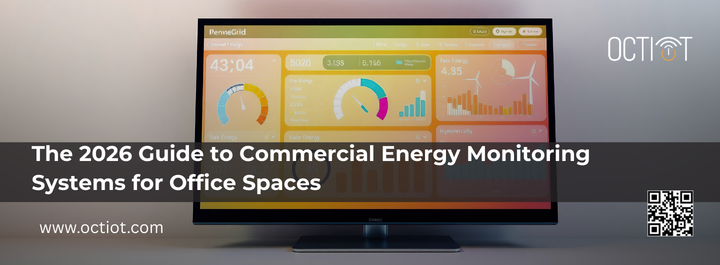
- Cloud-based dashboards for visualization and reporting
- Alerts and analytics tools for identifying inefficiencies
Together, these components help offices make informed decisions that reduce energy waste and operational costs.
Why Energy Monitoring Is Essential for Offices in 2026
In 2026, commercial buildings face increased pressure to operate sustainably. Energy monitoring systems for office spaces enable organizations to:
- Identify peak load and energy-hungry zones
- Optimize electricity usage across departments
- Support ESG and sustainability reporting
- Improve compliance with energy regulations
With hybrid work models and flexible office layouts becoming common, energy demand is no longer predictable. Smart energy monitoring ensures offices adapt dynamically to real usage conditions.
Role of Motion Sensor Lighting Systems in Offices
Lighting accounts for a significant portion of office energy consumption. Motion sensor lighting systems play a vital role in reducing unnecessary power usage by ensuring lights operate only when spaces are occupied.
These systems automatically turn lights on when movement is detected and switch them off after a preset inactivity period. When combined with occupancy sensor lighting systems, offices can drastically reduce lighting energy consumption, especially in low-traffic or intermittently used areas.
Key Benefits of Motion and Occupancy Sensors
- Eliminates lighting in unused rooms
- Reduces human dependency on manual switches
- Extends the lifespan of lighting fixtures
- Improves energy efficiency without affecting comfort
Benefits of Smart Light Management in Commercial Spaces
A smart light management system, supported by wireless lighting control systems, enhances both energy efficiency and operational control. These systems integrate lighting automation with energy monitoring data to create a fully optimized environment.
Advantages of Smart Light Management Systems
- Reduced electricity consumption through automation
- Automated dimming based on daylight availability
- Centralized control across multiple floors and zones
- Remote monitoring via cloud dashboards
By combining smart lighting with energy monitoring systems for office spaces, businesses gain visibility into lighting performance and consumption trends.
Office Applications and Common Areas
Different office zones have different lighting and energy requirements. Energy monitoring and smart lighting systems allow customized solutions for each area.
Meeting Rooms and Conference Halls
Meeting rooms are often left lit even when unoccupied. Using occupancy sensor lighting systems with timeout controls ensures lights turn off automatically after meetings end, reducing unnecessary energy use.
Corridors and Staircases
Motion sensor lighting systems are ideal for corridors and staircases, ensuring safety while minimizing energy waste. Lights activate only when movement is detected, making them both efficient and reliable.
Parking Areas
A parking lot lighting control system equipped with daylight sensing and motion detection ensures optimal illumination during low-light conditions while reducing energy consumption during off-peak hours.
Workstations and Open Offices
At workstations, a smart light management system integrated with wireless lighting control systems allows zone-based lighting control. This ensures lighting adapts to occupancy and working hours without manual intervention.
Extended Use in Home-Like Office Spaces
Modern offices increasingly include home-like amenities such as pantries, rest areas, and breakout zones. Energy monitoring systems for office spaces extend seamlessly into these areas.
Bathrooms
PIR-based motion sensors ensure lights operate only when in use, significantly reducing wasted energy.
Balconies and Corridors
Day/night sensor-enabled wireless lighting automatically adjusts based on natural light levels, ensuring comfort and efficiency.
Kitchens and Utility Areas
In pantries and utility rooms, load-based energy monitoring systems track appliance usage, helping facility teams identify inefficient equipment and optimize consumption.
Technical Capabilities of Modern Energy Monitoring Systems
Advanced energy monitoring systems for office spaces in 2026 are built on intelligent and scalable technologies.
Core Technical Features
- IoT-enabled data transmission for real-time insights
- API integration with building management platforms
- Zone-wise and device-level analytics
- Instant alerts for abnormal energy consumption
These capabilities allow organizations to respond quickly to inefficiencies and maintain optimal performance across large office infrastructures.
Integration with Building Management Systems
One of the most valuable aspects of modern energy monitoring is building management system lighting integration. This allows energy data, lighting automation, and occupancy information to function within a single unified platform.
With centralized dashboards, facility managers can control lighting schedules, monitor power loads, and analyze historical trends—all from one interface. This integration reduces operational complexity and improves decision-making accuracy.
Why Businesses Are Investing in Energy Monitoring Systems
In 2026, energy monitoring systems for office spaces are viewed as long-term investments rather than expenses. The benefits extend beyond cost savings to include:
- Improved workplace comfort and productivity
- Data-driven facility management
- Reduced carbon footprint
- Future-ready smart office infrastructure
As offices scale and evolve, these systems provide the flexibility and intelligence needed to manage energy efficiently.
Conclusion
In 2026, energy monitoring systems for office spaces are the backbone of smart, efficient, and sustainable commercial buildings. When combined with motion sensor lighting systems, occupancy sensor lighting systems, and smart light management systems, offices gain complete visibility and control over their energy usage.
From meeting rooms and workstations to parking facilities and utility areas, intelligent monitoring and lighting automation reduce energy waste, lower operational costs, and enhance employee comfort. By adopting these technologies, organizations position themselves for long-term efficiency, regulatory compliance, and a smarter, data-driven future.